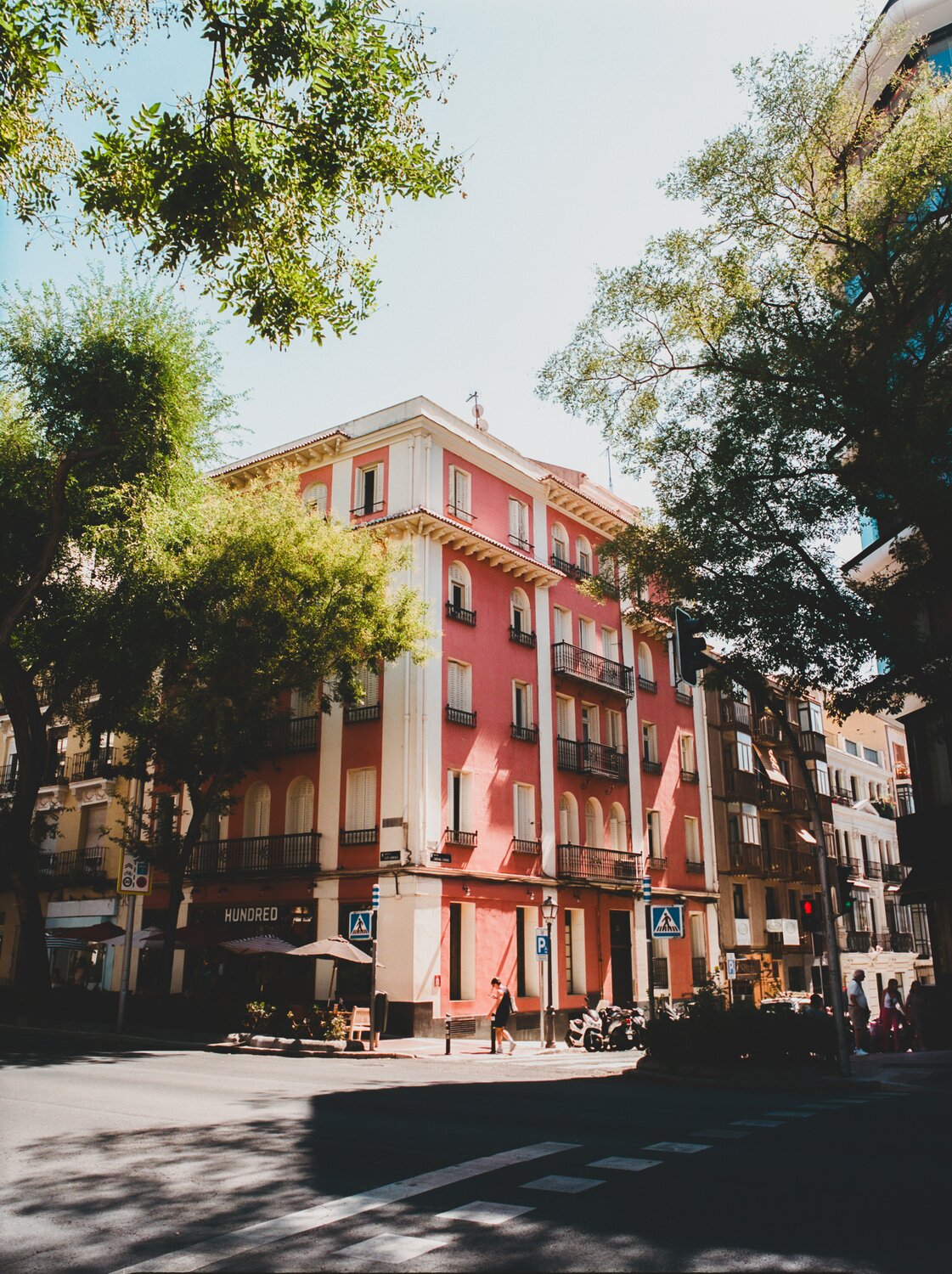
Madrileños with four grandparents also born in the city have an affectionate nickname: “gatos” (cats). It’s a moniker people wear with pride, and it speaks to Madrid’s broader civic identity: defiant, unique, fun-loving.
Spain’s landlocked capital is a bustling metropolis where life is best savoured outdoors, together and long into the night. Culture and culinary tradition intertwine. The Golden Triangle of Art comprises three world-renowned museums a stone’s throw from one another, along Paseo del Prado. Casas de comidas serve hearty, home-cooked Castilian classics — think slow-cooked meat and chickpea stews — that leap from the pages of Don Quixote.
Madrid is, above all, a happy city — something surprisingly rare among major European capitals


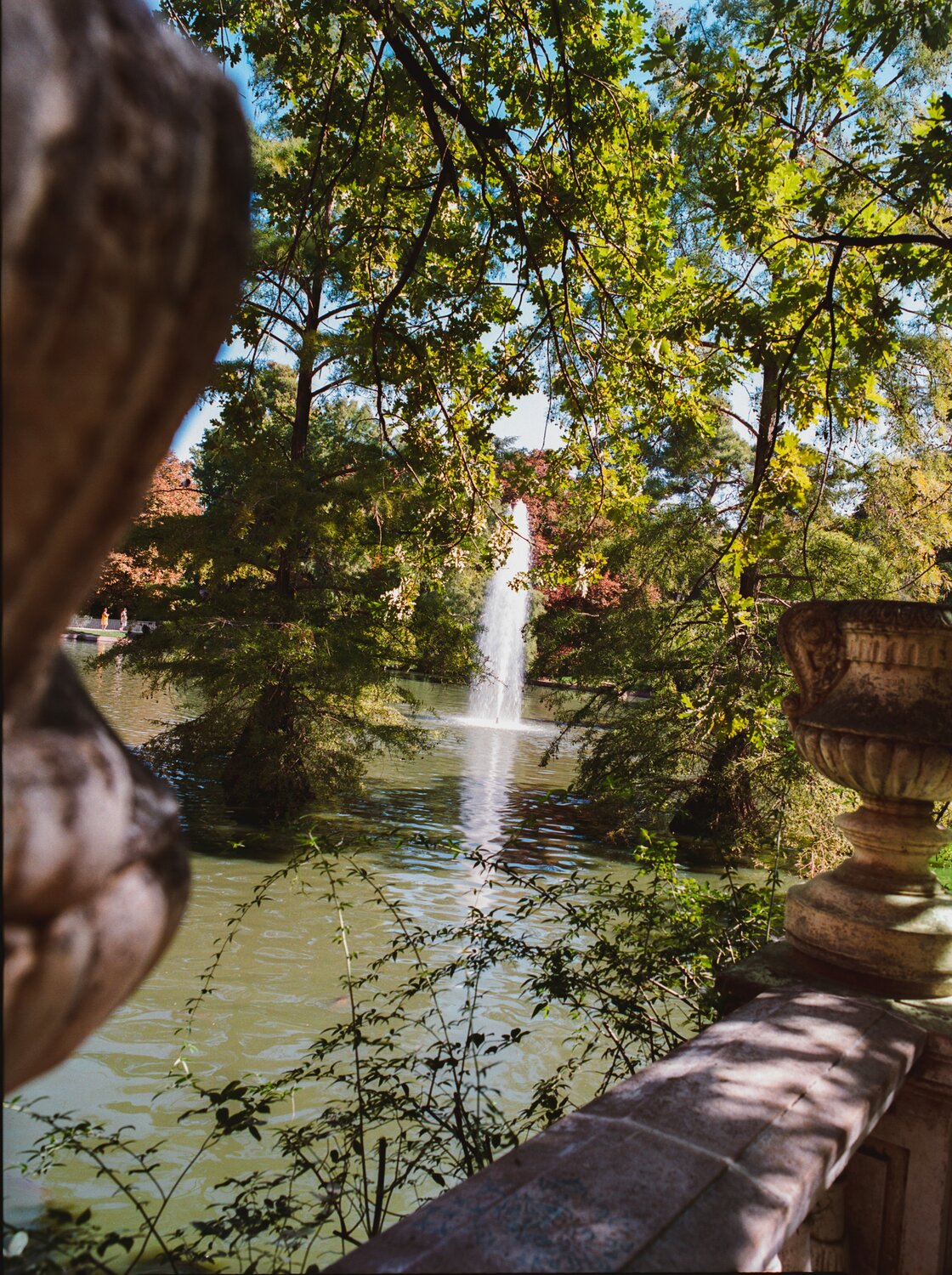
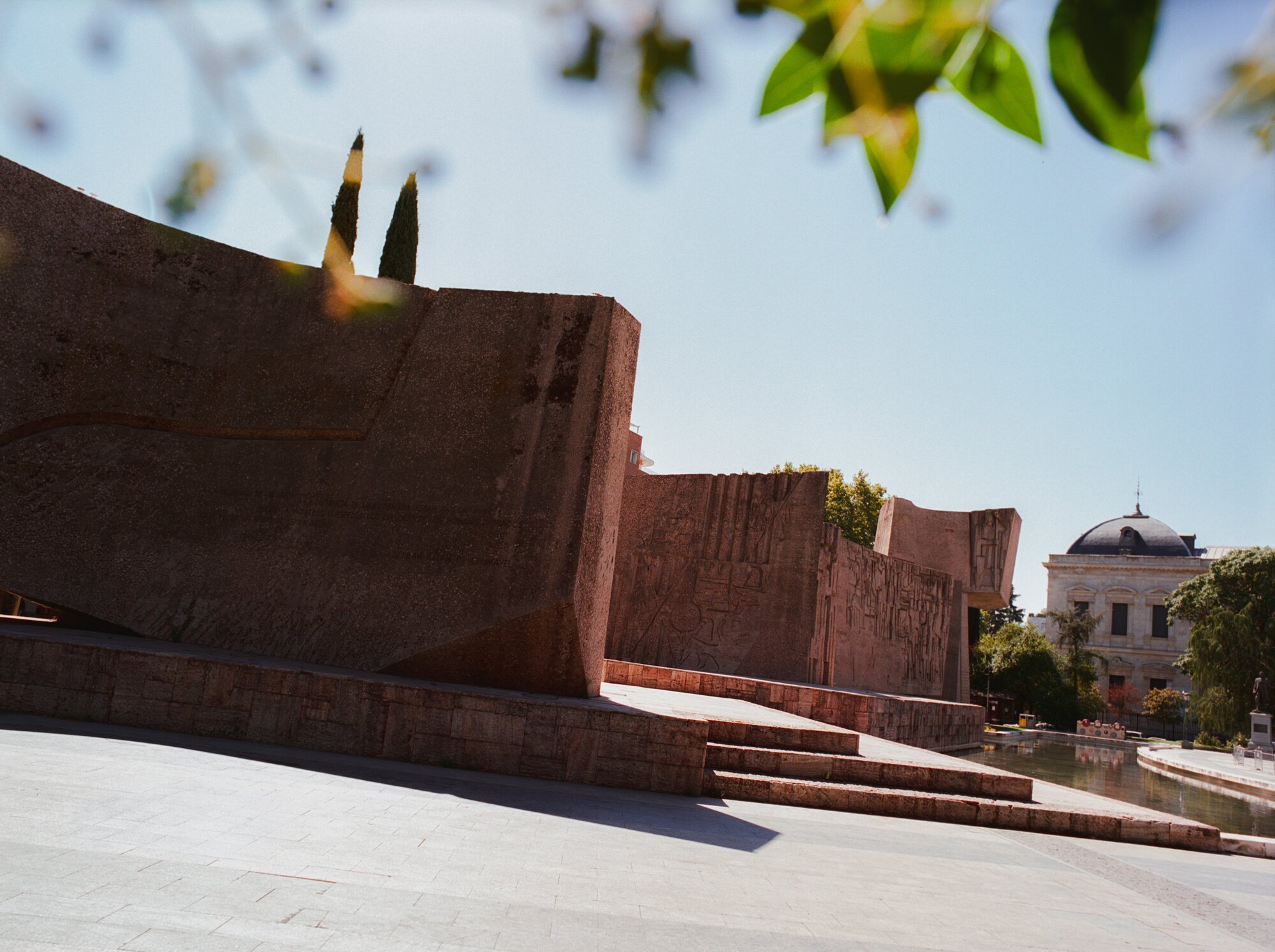
The landscape fuses old and new: baroque splendour at the Palacio Real; the bold brutalism of Torres Blancas, a vertical concrete forest. The alchemy works: “streets invite walking, the historic buildings remain approachable, and the gardens and parks form part of daily life”.
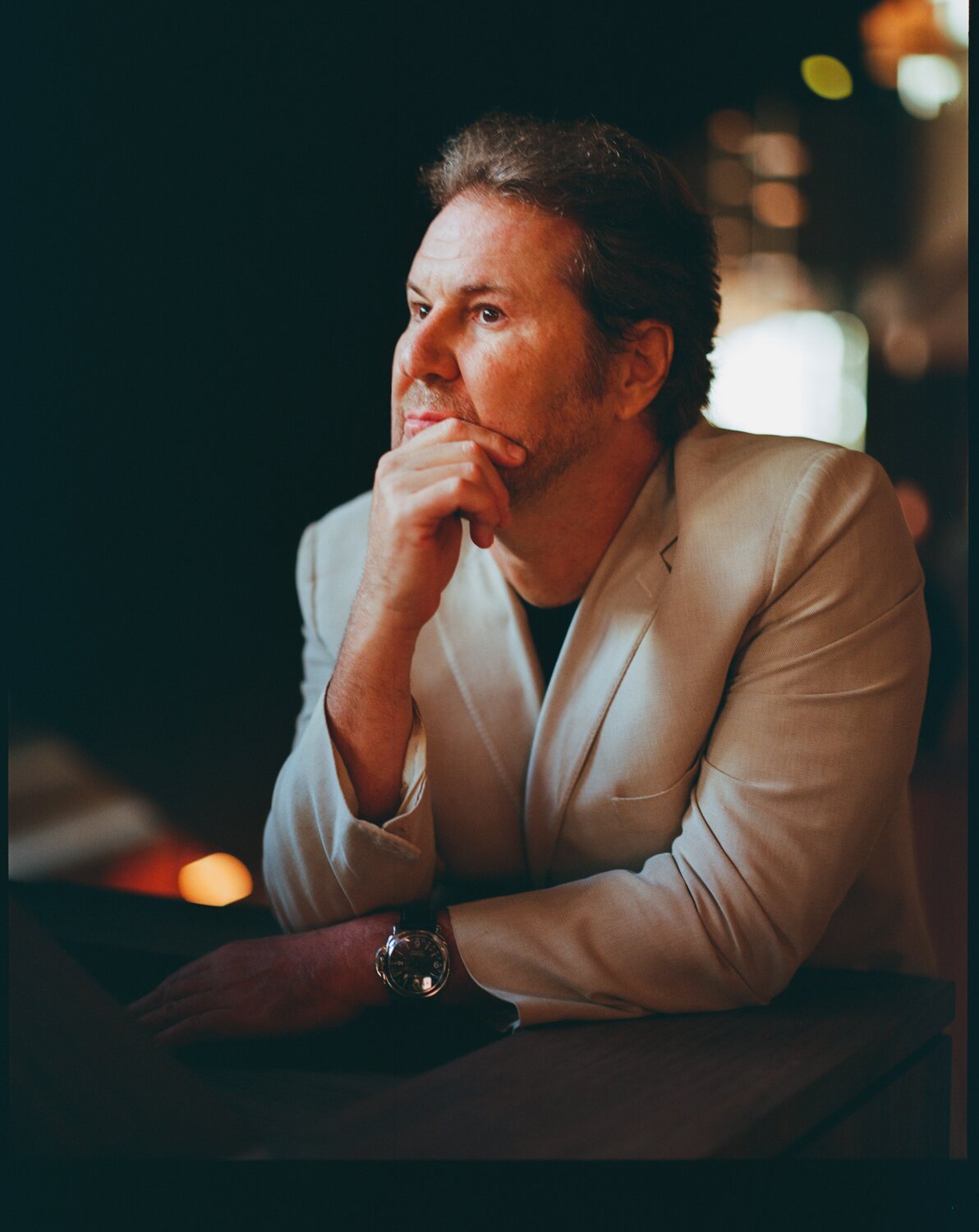
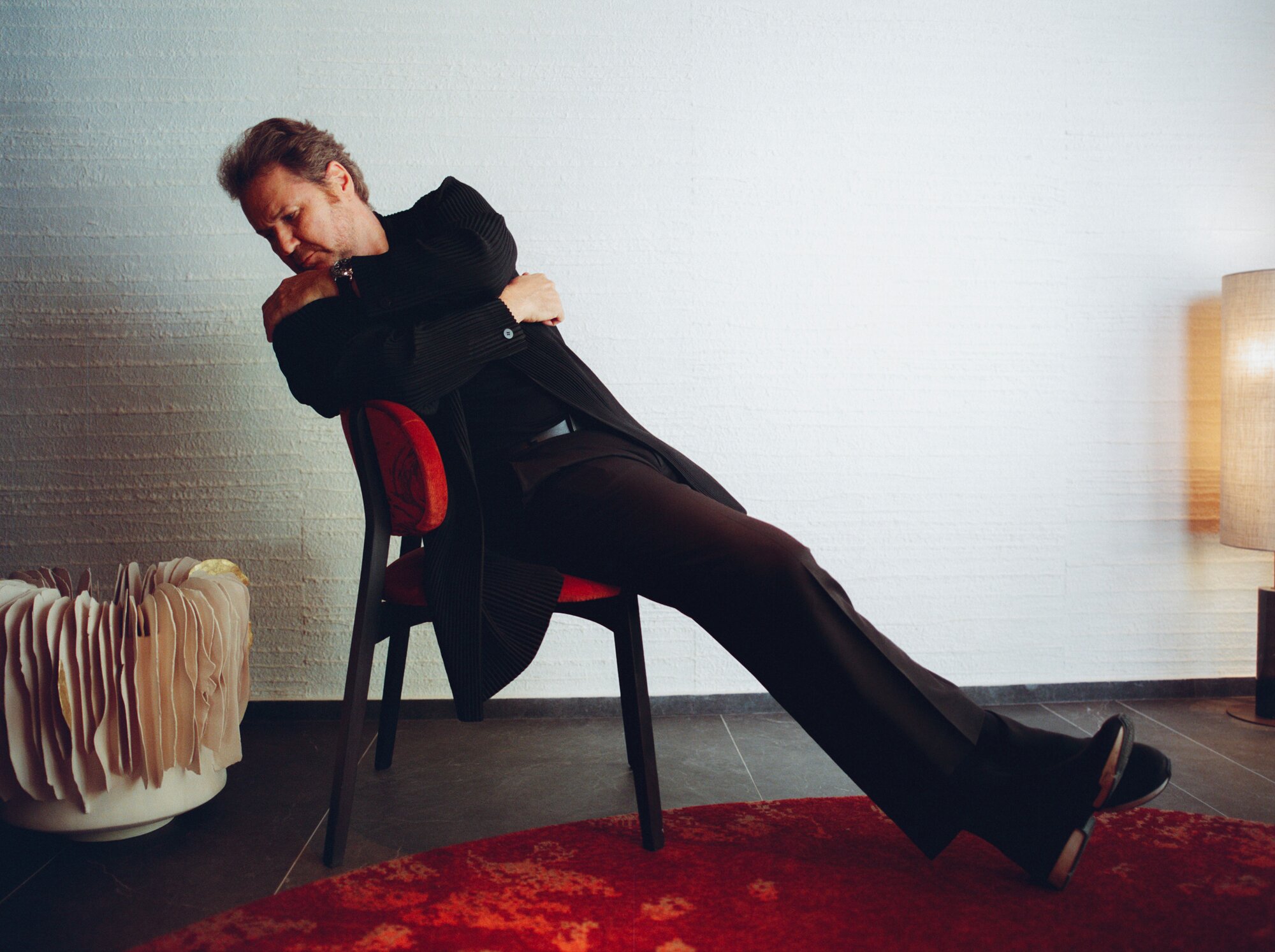
Diego Gronda, an Argentinian-born architect whose Studio Gronda designed the newly opened Nobu Hotel Madrid, has spent the last twenty years living and working in the city. In that time, he gleefully notes the inhabitants' warmth fusing with an unmistakably cosmopolitan energy (“I am proud to call myself a madrileño”).
Schooled in 20th-century modernism, though later drawn toward a more sensory, material-led minimalism, Diego’s influences vary from the Bauhaus to Herzog & de Meuron (the Swiss architectural practice behind Madrid’s gravity-defying CaixaForum). What connects them? “An indifference to passing trends… and an understanding that architecture can shape human behaviour”.
Across a career spent collaborating with hospitality's household names — including chefs Gordon Ramsay and Dabiz Muñoz, the Mandarin Oriental and Ritz-Carlton — Diego’s refined a philosophy rooted in feeling, not simply form: “We are less interested in how a space appears than in what it awakens in the person experiencing it”.
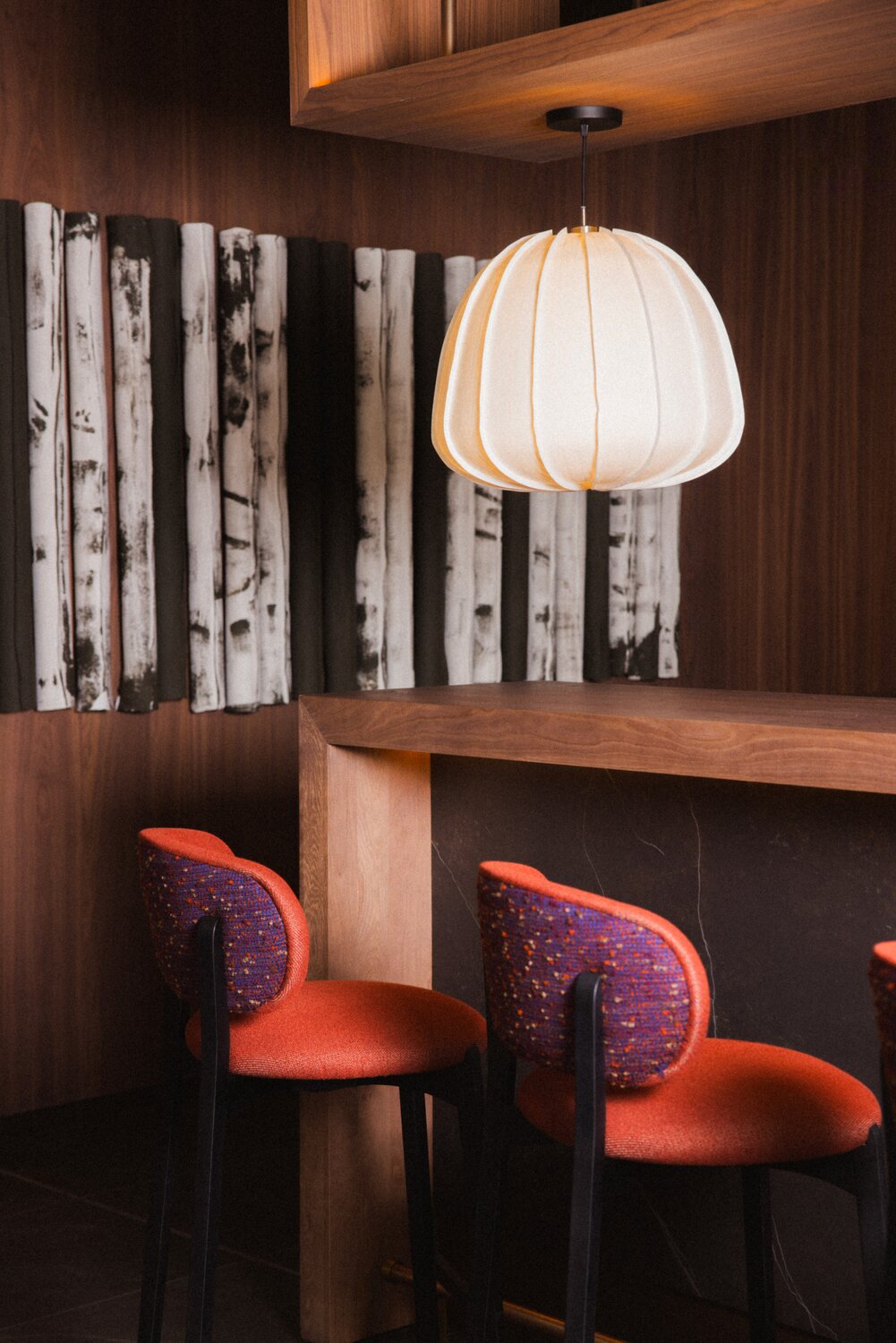
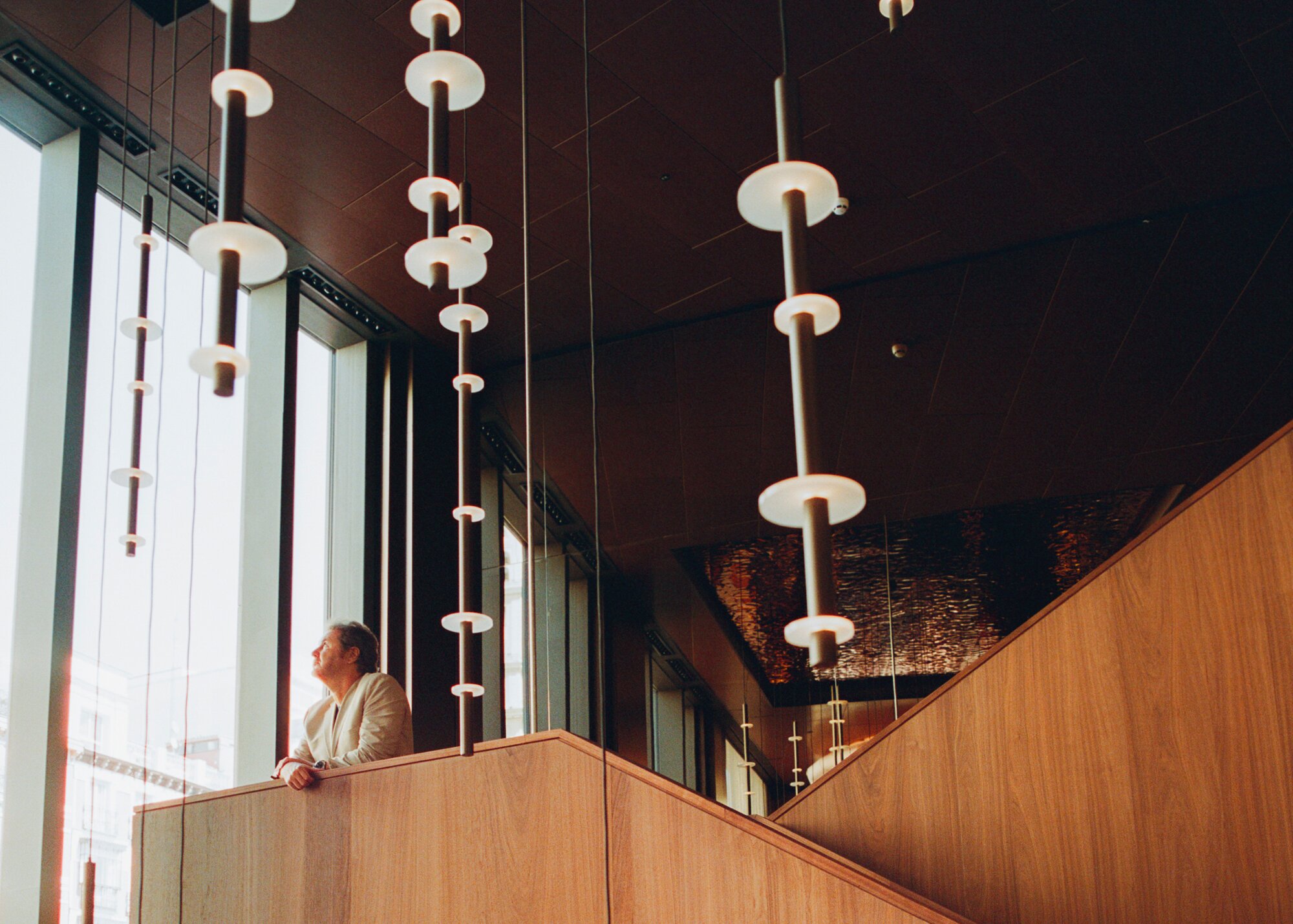
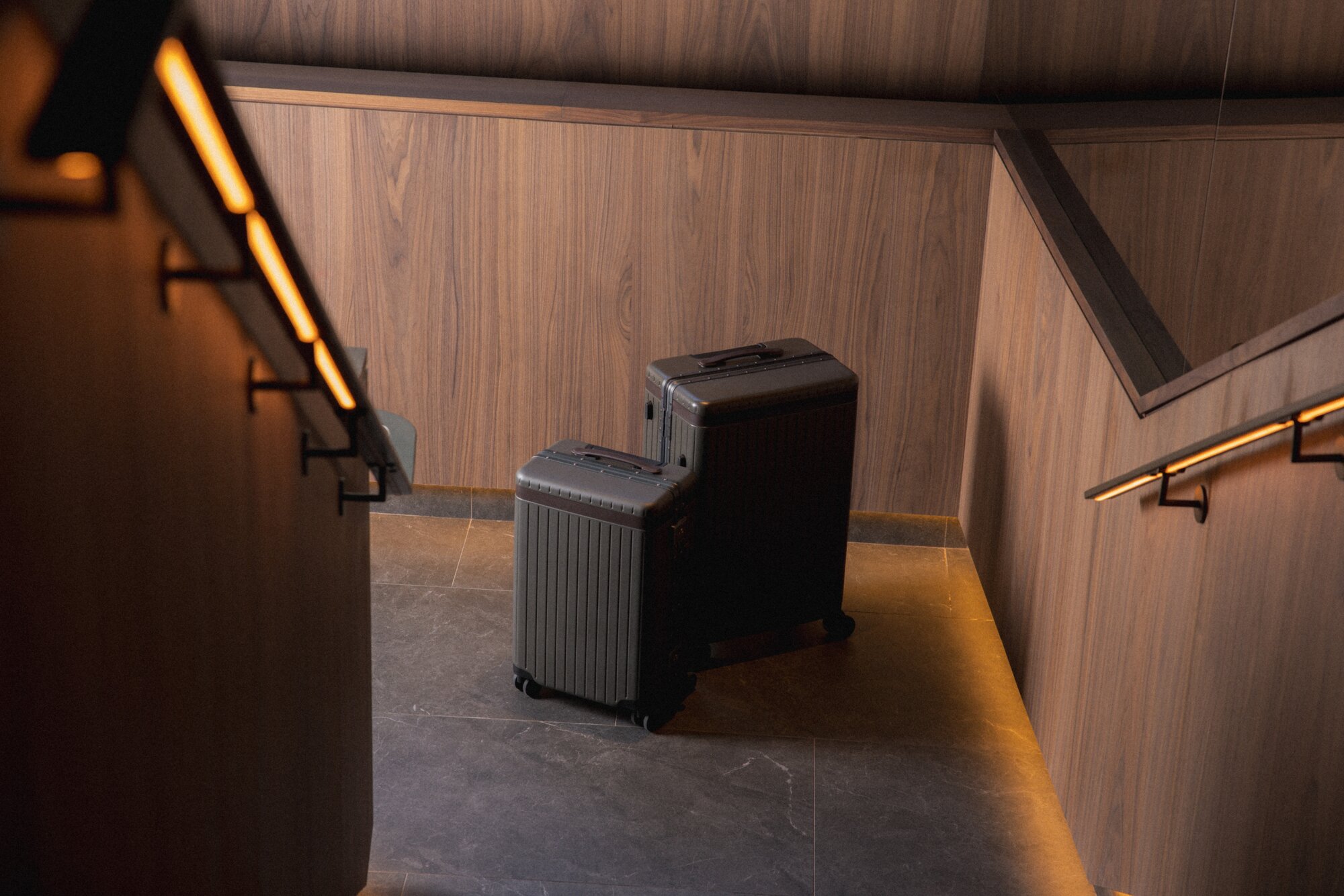
At Nobu Hotel Madrid, Studio Gronda resisted fusing Spanish and Japanese motifs outright. The restaurant's monumental windows do the work; across all three floors, Madrid's historic architecture and street life fold into the interior. Time itself becomes a material: by day the space opens outward like an auditorium onto the city; by night it turns intimately inward, the same room shifting temperature purely through light, sound and scale.
A space should not reveal itself in the same way at noon and at midnight
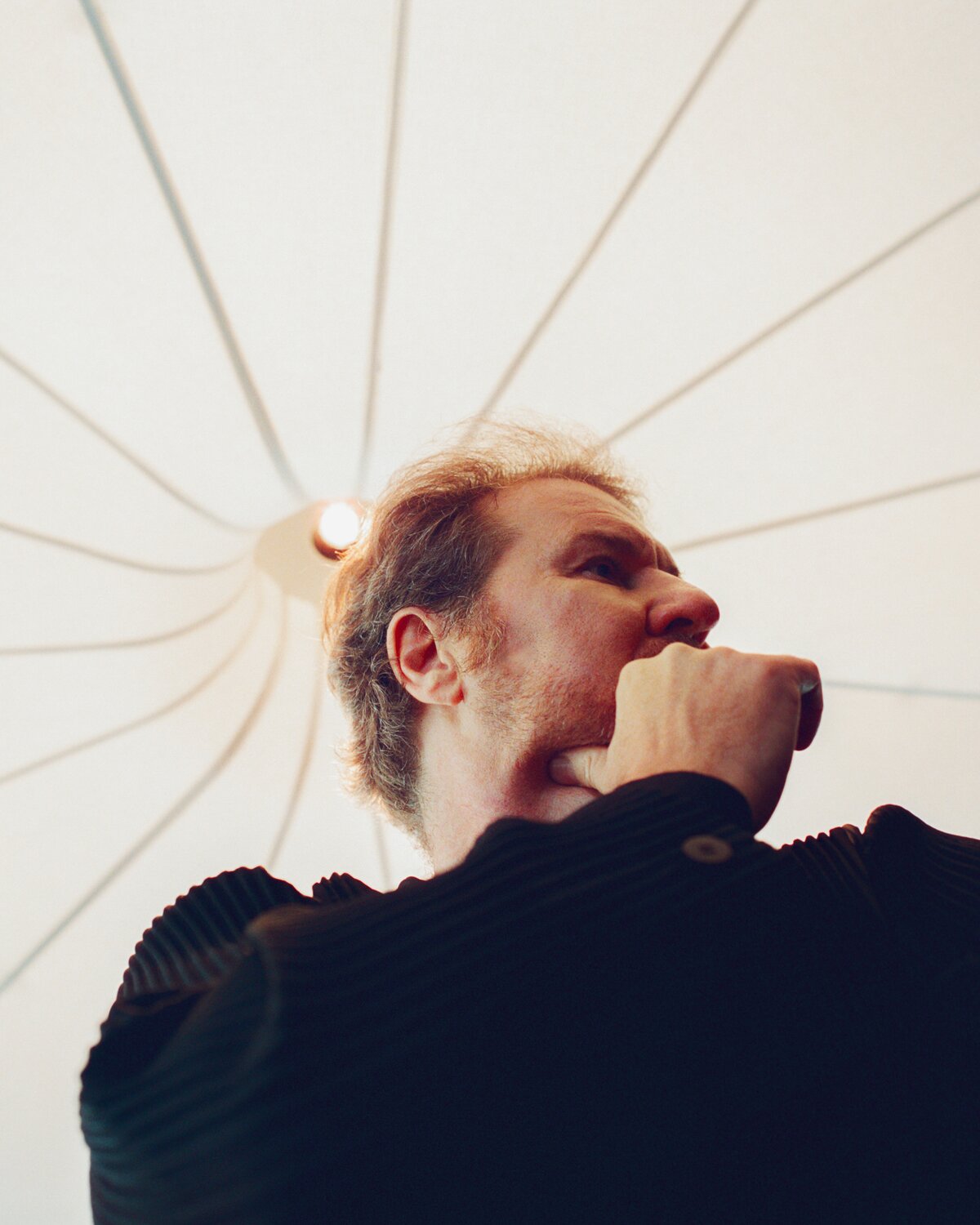
The signature gesture is an atrium on Calle de Alcalá, linking the sake bar, reception and mezzanine restaurant beneath a scatter of illuminated alabaster discs — anchored by Cocoon, a five-metre fabric lantern suspended over the room's best table: the image that now defines Nobu Madrid.
Diego’s recommendations
- Matadero Madrid
“This vast former slaughterhouse complex has become one of Spain’s most compelling centres for contemporary culture — a place where architecture, art, performance, cinema and design coexist within an extraordinary industrial setting”
“My ideal visit is on a bicycle: explore the buildings, see an exhibition and then follow the river through the park. It is one of my favourite weekend rituals, particularly in spring or autumn”.
2. El Pimiento Verde
“Opt for the artichokes. They are remarkably simple and consistently exceptional. The kind of dish that reminds you that luxury is often a matter of precision rather than excess. I have eaten artichokes all over the world and have yet to find any that surpass them”.
3. Lhardy Restaurante
“Just steps from Puerta del Sol, you enter through a small delicatessen where you can have consommé, sherry or a pastry before ascending to the dining rooms above. The sequence feels almost theatrical, as though the city has momentarily returned to the nineteenth century. Upstairs, the essential order is cocido madrileño, the traditional chickpea stew”.
The latest product news and travel guides? It's just a sign-up away.
