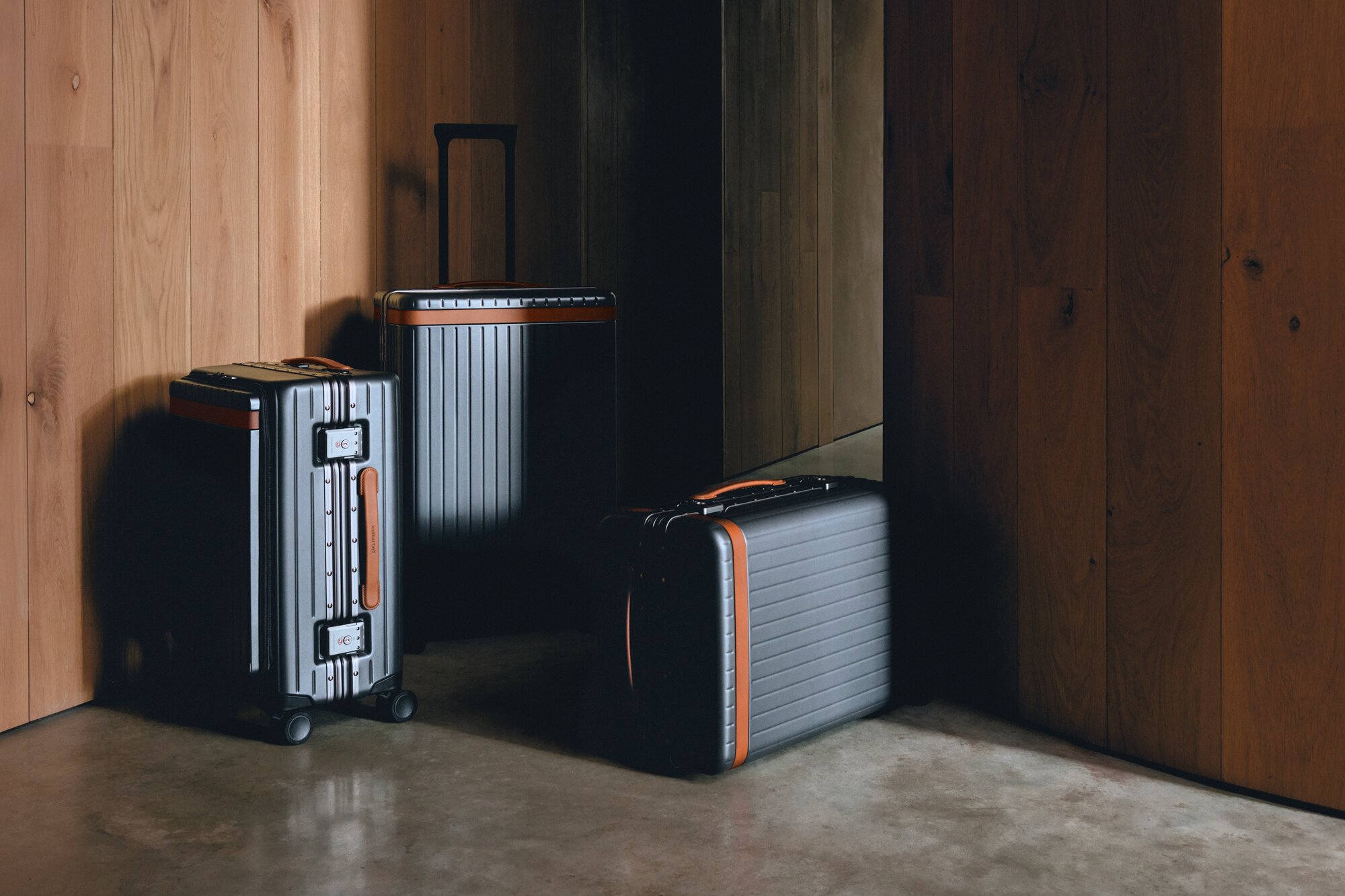
Premium luggage is worth the investment when the higher price is justified by durable materials, thoughtful construction, a strong warranty and years of use. The best way to judge value is not by the upfront cost alone, but by cost per use: how much you spend relative to how long the luggage is reliable.
While luggage is a functional travel essential, it can also reflect personal style. Consider a timeless design that you’ll enjoy carrying for years, rather than one that quickly feels dated. Ultimately, premium luggage is about balancing durability, convenience and enduring design with how you actually travel.
Contents
TL;DR: Is premium luggage worth it?
What makes luggage “premium”?
How do I know if premium luggage is worth buying?
How do I choose high-end luggage?
How much does the material matter?
How long should premium luggage last?
TL;DR: Is premium luggage worth it?
Premium luggage is generally worth considering if you travel regularly, want a suitcase that can withstand years of use or prefer to buy one well-made product rather than repeatedly replace cheaper luggage.
Key factors to consider:
- Cost per use: A higher upfront price can make sense if the suitcase lasts substantially longer.
- Materials: Aluminium, quality polycarbonate and full-grain leather can offer different combinations of durability, weight and feel.
- Construction: Wheels, handles, zips, locks and internal organisation affect how a suitcase performs in everyday travel.
- Warranty: A genuine long-term guarantee can reduce the potential cost of repairs or replacement.
- Travel habits: Frequent flyers typically benefit more from premium models than occasional travellers.



What makes luggage “premium”?
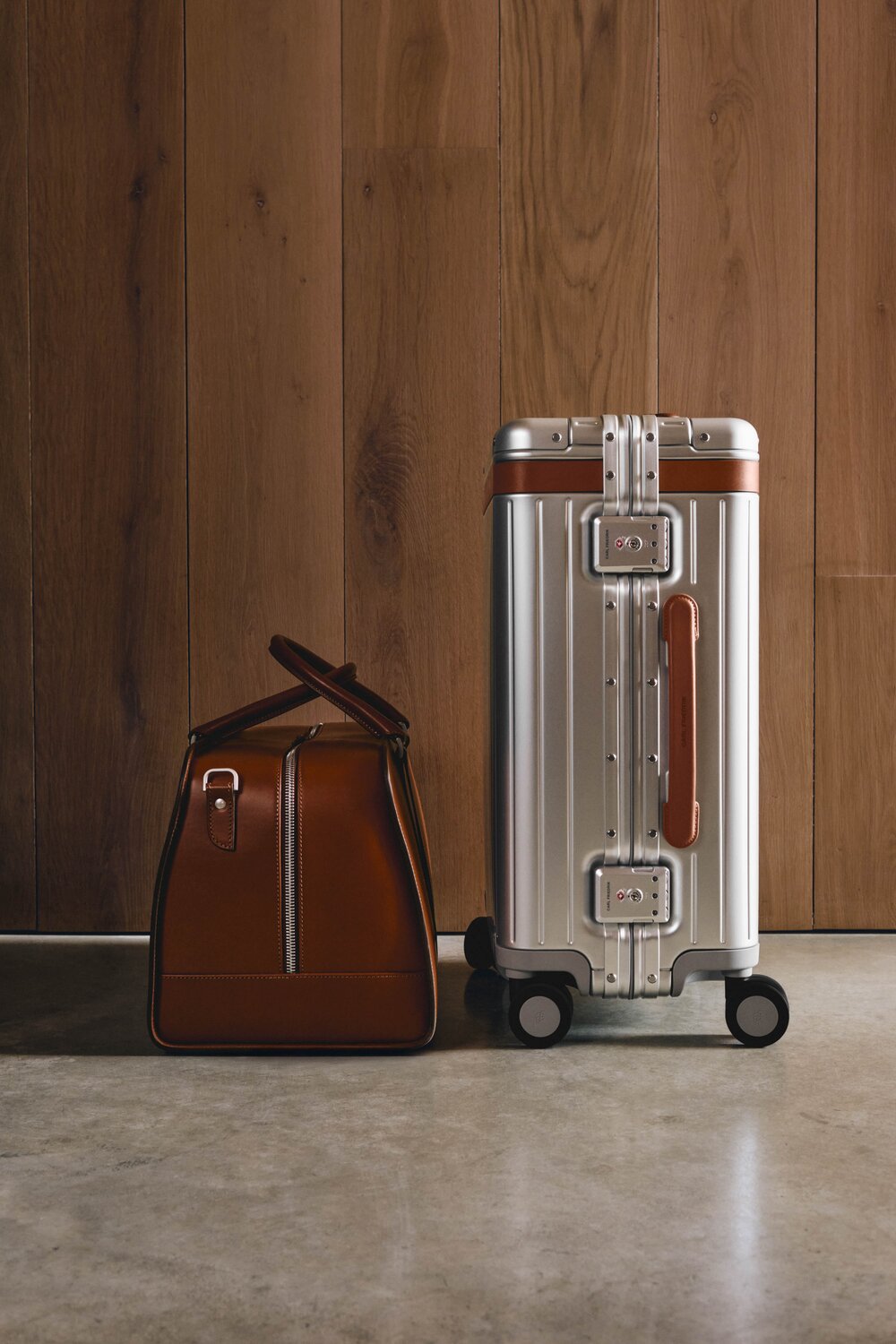
Premium luggage is about more than high-quality materials or a recognisable name. It’s the combination of thoughtful design, reliable hardware and quality construction that makes a case worth keeping around. When it’s built well, it should be able to handle plenty of journeys and still have a place in your travel plans years down the line.
Common markers of premium quality:
- High-grade materials: Aluminium, quality polycarbonate and full-grain leather can provide durability and a refined finish.
- Precision hardware: Refined components ensure security and seamless functionality.
- Multi-directional wheels: Smooth-rolling spinner wheels make navigating airports, streets and stations a breeze.
- Sturdy telescopic handles: An adjustable handle should extend and retract securely without excessive movement.
- Secure combination locks: Quality locks provide peace of mind when travelling.
- Considered interiors: Make packing efficient and keep belongings in place.
- Long-term guarantees: A meaningful warranty can demonstrate that a brand expects its products to remain in use for years.
Rather than obsessing over logos, at Carl Friedrik we focus on the details that make a difference. From considered design decisions to practical features, every element is designed to enhance the way you travel from A to B. Each piece in our luggage collection balances timeless aesthetics with a hard-wearing build, creating luggage that looks good and performs trip after trip.
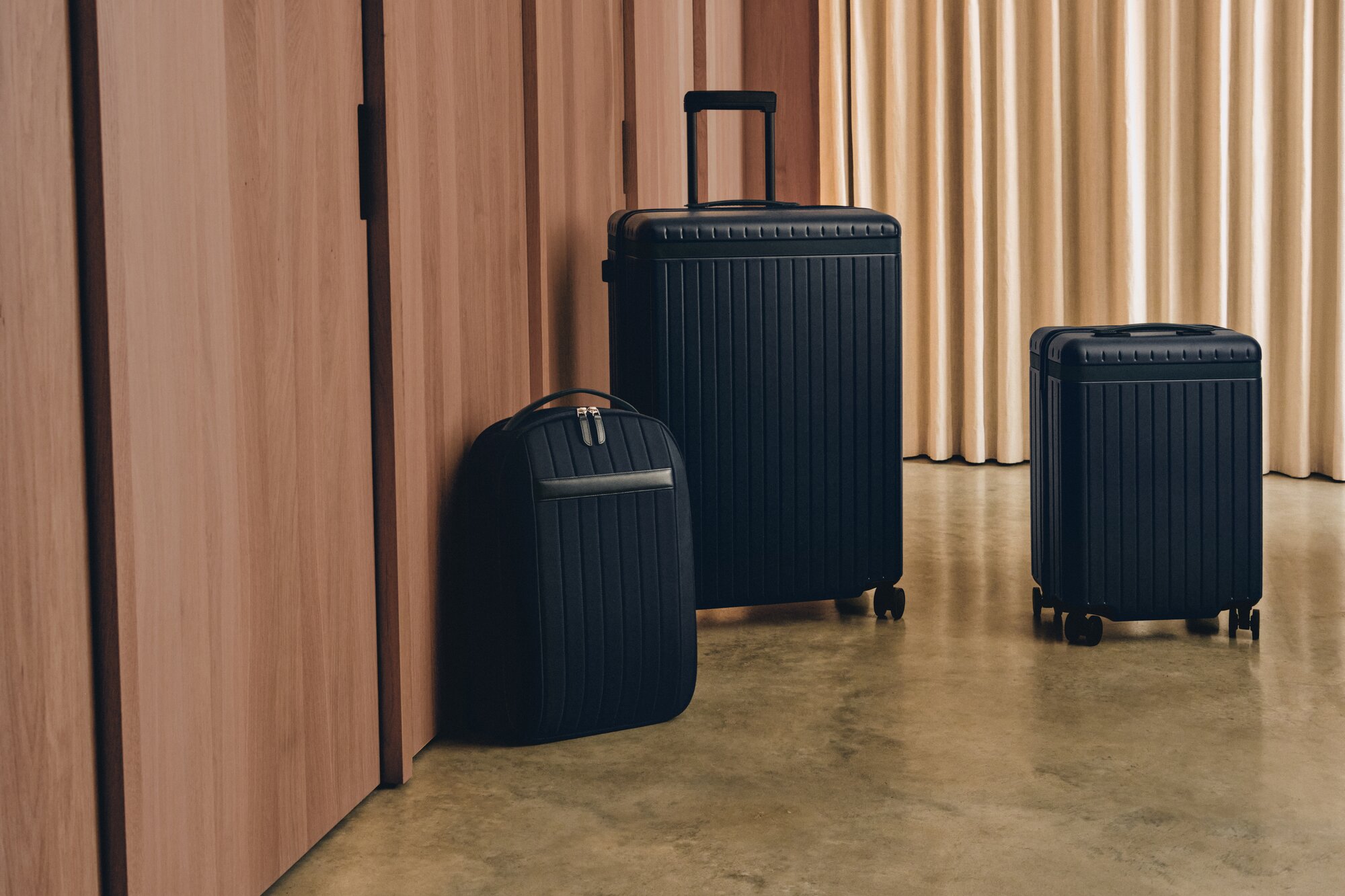

The Large Check-in
How do I know if premium luggage is worth buying?
Premium luggage is worth the investment when you take into consideration the warranty and quality. A higher upfront cost translates into a lower cost per use when you don’t need to replace pieces as often.
| Scenario | Upfront price | Est. years of use | Approx. cost-per-year |
|---|---|---|---|
| Budget suitcase replaced periodically | $150 | 2 years | $75 |
| Premium suitcase kept long term | $750 | 15 years | $50 |
Illustrative figures only; actual costs and lifespan vary by product and usage.
A higher upfront price can make sense when you’re buying a suitcase you plan to keep for years, rather than replace every few trips. In this example, a $150 suitcase used for two years costs around $75 per year, while a $750 suitcase used for 15 years is considerably more cost-effective. For frequent travellers, the value is less about getting the cheapest option and more about investing in a case that can keep up for the long haul.
How do I choose high-end luggage?
Choosing high-end luggage comes down to matching the case's construction and format to how you actually travel, rather than simply choosing the most expensive option available. Consider these factors:
- Type and format: Choose a suitcase based on your travel style and whether you prefer hard or soft luggage. Guides to essential types of luggage and hard vs. soft luggage can help narrow the options.
- Size: Cabin luggage works well for shorter trips, while check-in luggage provides more capacity for longer journeys. Airline restrictions vary, so check a relevant carry-on luggage size guide or checked luggage size guide.
- Empty weight: A lighter suitcase leaves more of your airline's weight allowance available for your belongings.
- Frequency of use: Frequent travellers should prioritise durability and repairability, while occasional travellers may place greater value on versatility and timeless design.
- Repairs and servicing: Find out whether replacement wheels, handles or other components are available and how repairs are handled before buying.
Every traveller is different. It is important to have options for the different types of travel you may encounter in the future. A carry-on may be ideal for short trips and frequent flyers, while a checked suitcase offers extra capacity for longer journeys or extended stays.

How much does the material matter?
Material matters because it influences a suitcase's weight, durability, flexibility and overall feel, so the right material depends on how and where you travel.
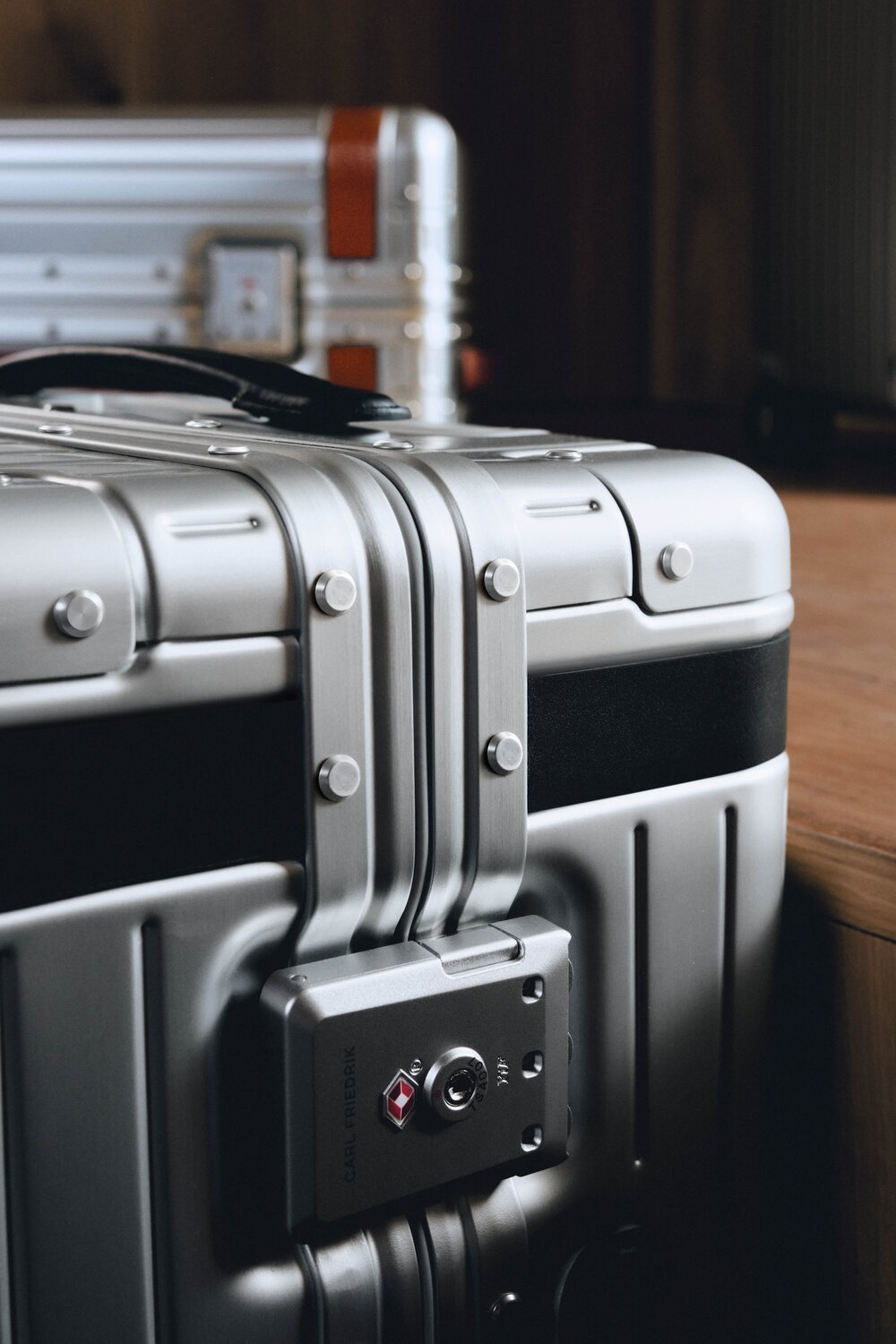
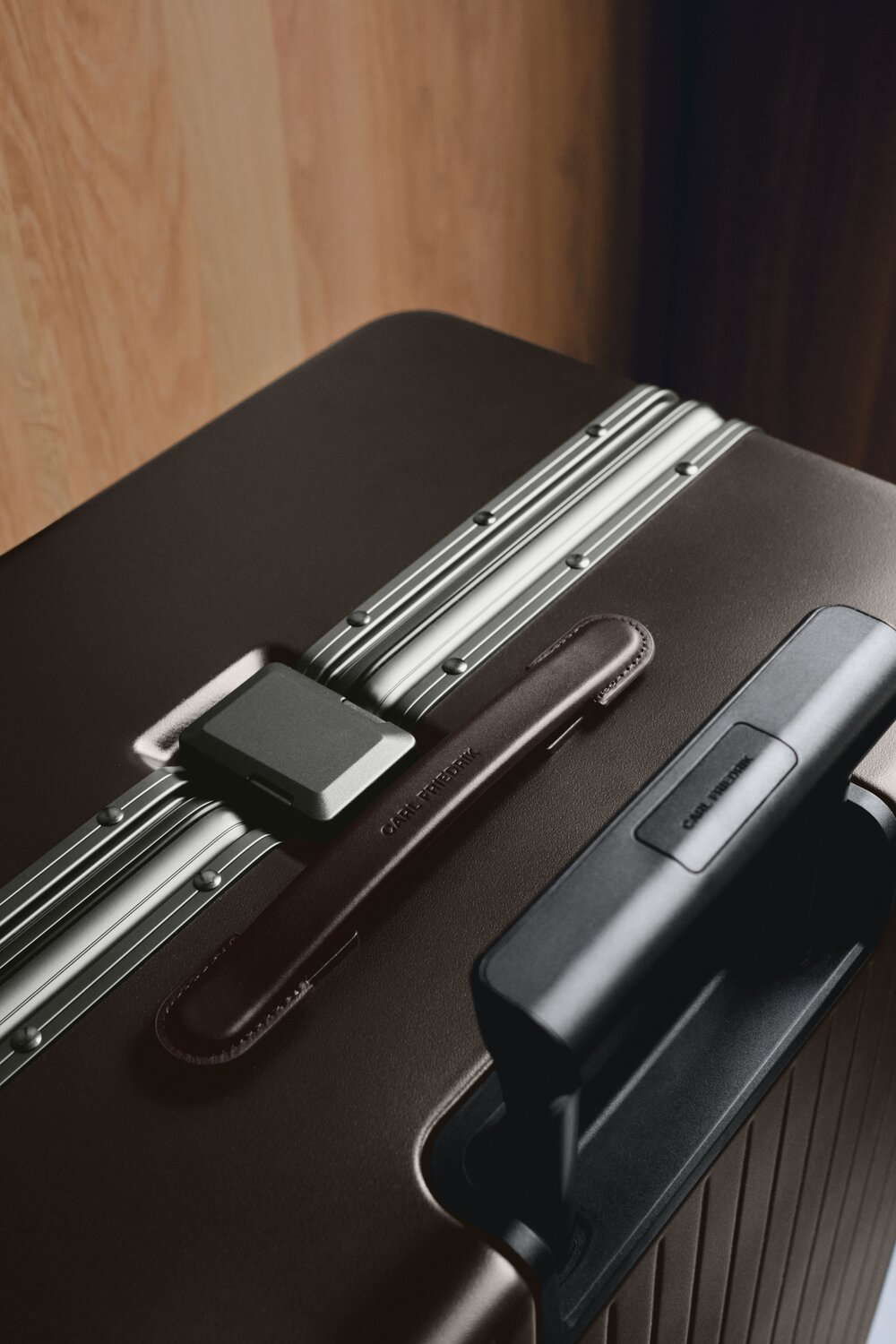
Polycarbonate is lightweight and impact-resistant, making it a popular choice for hard-shell luggage. Aluminium offers a rigid, durable shell with a distinctive finish that develops character over time. For travellers looking to combine the qualities of both materials, the Hybrid collection is a solid option. For a closer look at the differences, read our Aluminium vs polycarbonate luggage guide.
How long should premium luggage last?
Premium luggage should last many years of regular travel, with the best products supported by warranties or guarantees designed for long-term ownership.
If you are debating whether spending more on luggage is the right fit for you, remember that buying a more durable piece will save you time and money from potentially having to replace it in the near future. Plus, with a strong warranty, repairs and replacements are covered. It’s always important to check what is covered by your warranty, how claims are handled and what happens when an airline misuses your luggage
FAQs
Is premium luggage worth the investment?
Premium luggage can be worth the investment when you travel frequently enough to benefit from its durability, functionality and warranty. The strongest case for buying premium is long-term ownership: if a well-made suitcase lasts significantly longer than cheaper alternatives, its cost per year or per trip may be competitive.
Do I need a lifetime warranty?
You do not necessarily need a lifetime warranty, but a strong long-term guarantee can add meaningful value to premium luggage. It can reduce the financial risk of owning the suitcase for many years, particularly when the warranty covers eligible repairs or manufacturing defects.
What is the best material for premium luggage?
There is no single best material for premium luggage because aluminium, polycarbonate and other materials offer different advantages. Aluminium is exceptionally rigid, while polycarbonate generally offers a lighter combination of strength and impact resistance.
Do occasional travellers need premium luggage?
Occasional travellers can still benefit from premium luggage, particularly if they value durability, timeless design and the convenience of owning one dependable suitcase for years to come. Even with less frequent use, a well-made case can be a worthwhile investment when it is designed to withstand the demands of travel.
The latest product news and travel guides? It's just a sign-up away.
