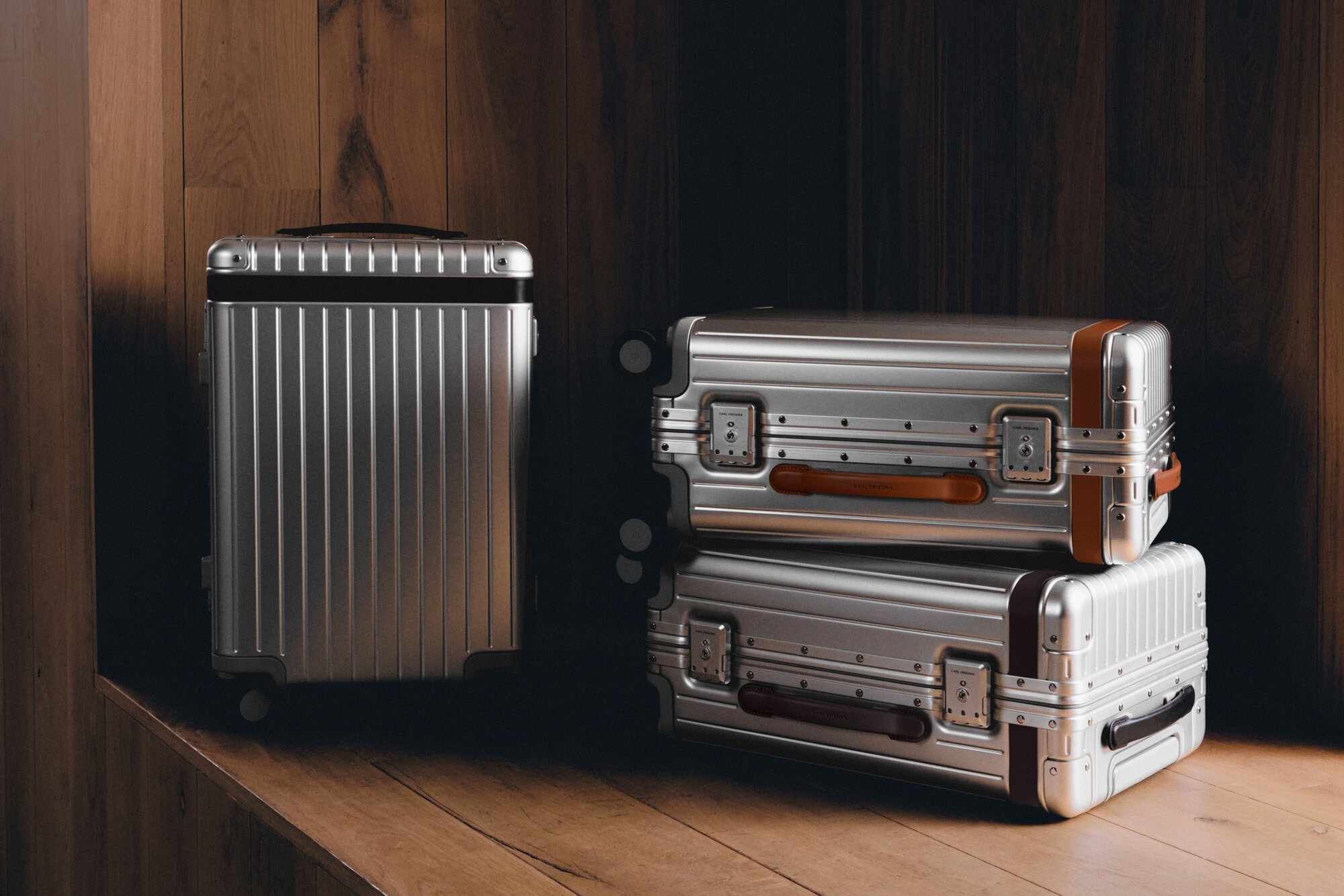
Both aluminium and polycarbonate are effective hard-shell luggage options, though neither material is universally better. The right choice really depends on how you travel, what you pack and which features matter most to you. Aluminium is valued for its rigidity and longevity, while polycarbonate is known for its lightweight credentials and impact resistance.
Contents
TL;DR: Aluminium vs polycarbonate luggage
What are the pros of aluminium luggage?
What are the pros of polycarbonate luggage?
Is aluminium or polycarbonate luggage better?
Are there suitcases that combine both aluminium and polycarbonate?
What features should a premium suitcase have?
TL;DR: Aluminium vs polycarbonate luggage
Aluminium is best suited for frequent travellers who value strength, a sleek finish and long-term durability. Polycarbonate is a strong choice for travellers who prioritise lightweight luggage and impact resistance. The main differences come down to:
- Weight: Polycarbonate is generally lighter, making it useful when lifting luggage or maximising your packing allowance.
- Structure: Aluminium provides a rigid shell with strong shape retention.
- Impact resistance: Polycarbonate has a degree of flexibility that allows it to absorb impact, flexing instead of puncturing.
- Finish: Aluminium develops a natural patina over time, giving each case more character with every journey.
- Travel style: Frequent and long-haul travellers may favour aluminium, while light packers and carry-on travellers may prefer polycarbonate.
What are the pros of aluminium luggage?
Aluminium luggage combines strength with a sleek, timeless finish, making it particularly appealing to travellers who value durability, streamlined design and longevity.
Key advantages include:
- Rigid structural strength: Aluminium is exceptionally robust, maintaining its shape over time.
- Streamlined design: Its clean appearance gives aluminium luggage a refined aesthetic.
- Timeless finish: Aluminium has a classic, mid-century quality that endures beyond seasonal design trends.
- Ages with character: Marks and signs of travel become part of the case's story, giving each suitcase a unique patina over time.
- Secure clasp locks: Aluminium cases often use clasp-style closures rather than zippers, with many incorporating TSA-approved combination locks for added security.
- Long-term durability: The combination of a rigid frame and sturdy hardware makes aluminium great for frequent travel.
- Investment value: The longevity and timeless design can make aluminium an appealing long-term purchase.



What are the pros of polycarbonate luggage?
Polycarbonate luggage combines lightweight construction with high impact resistance, making it particularly well suited to travellers who value easy handling, practical packing and everyday versatility.
Key advantages include:
- Lightweight construction: A lighter empty suitcase leaves more of an airline's weight allowance available for your belongings.
- High impact resistance: Polycarbonate flexes in response to impact, unlike aluminium, which will dent.
- Variety of finishes: Polycarbonate can be produced in a wide range of colours and surface finishes, offering more options when it comes to design.
- Easy to lift: Lower weight can make a meaningful difference when placing a carry-on in an overhead compartment or moving a suitcase from one place to another.
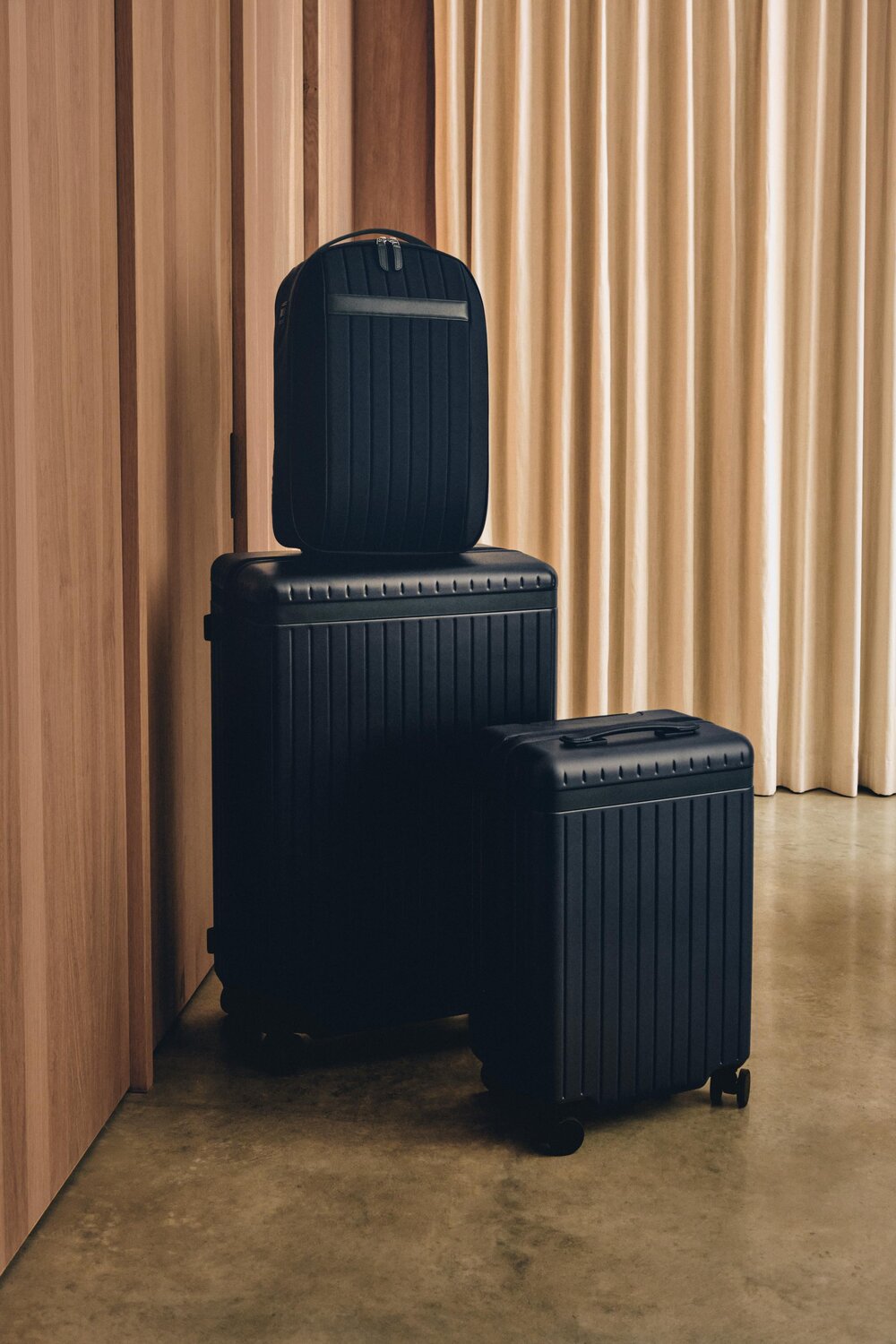
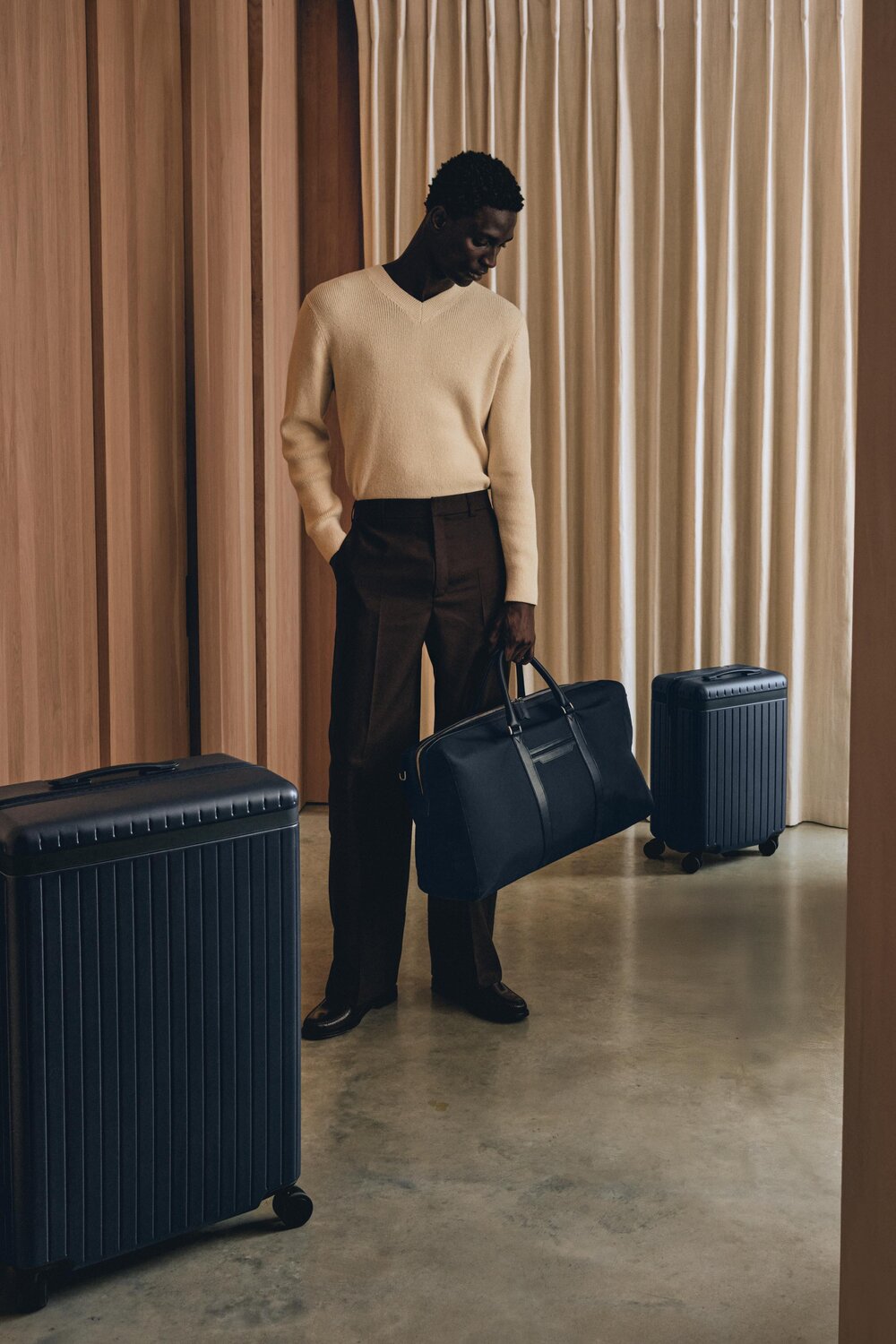
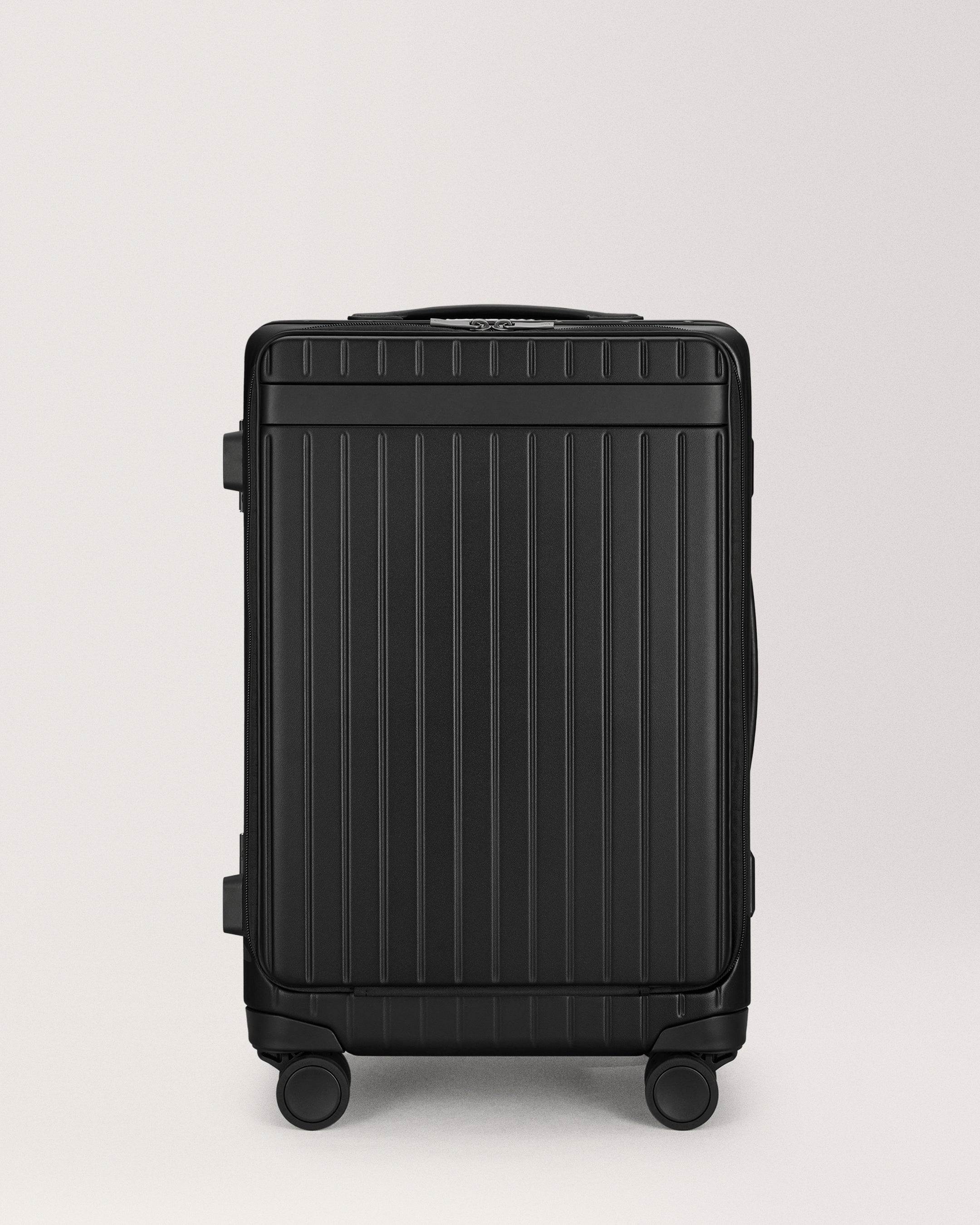
- Everyday versatility: Its combination of low weight and durability makes it suitable for regular carry-on and check-in travel. The Core collection, including The Carry-on X, The Carry-on and The Large Check-in are all examples of premium polycarbonate cases.
- Accessible premium option: Polycarbonate luggage is typically available at a lower price than upper-market aluminium alternatives.


Is aluminium or polycarbonate luggage better?
| Attribute | Aluminium | Polycarbonate |
|---|---|---|
| Weight | Substantial, structured feel | Lightweight and easier to manoeuvre |
| Feel and finish | Rigid, refined and architectural | Smooth, versatile and available in varied finishes |
| How it ages | Develops character and visible signs of travel | Maintains a clean, practical appearance |
| Closure Type | Typically clasp lock closure | Often zippers with combination locks |
| Packing allowance | Aluminium develops a unique patina over time, giving it more character with every trip | Lighter construction gives you more packing weight and wiggle room |
| Best suited to | Frequent travellers and long-haul journeys | Light packers, carry-on travellers and everyday travel |
Best for frequent and long-haul travel
Aluminium is made for life on the move. Its sturdy build is a great option for frequent and long-haul travel. We’ve all arrived home from a big trip only to see the wear and tear our suitcases have picked up along the way. With aluminium, that hard-wearing finish is built to hold up trip after trip.
Best for light packers and carry-on-only trips.
When every kilogram counts, polycarbonate takes the advantage. Its lightweight construction allows for seamless movement through airports and train stations, while leaving more of your airline weight allowance for what’s inside. It’s especially handy for carry-on-only travel, when space and weight is essential.
Are there suitcases that combine both aluminium and polycarbonate?
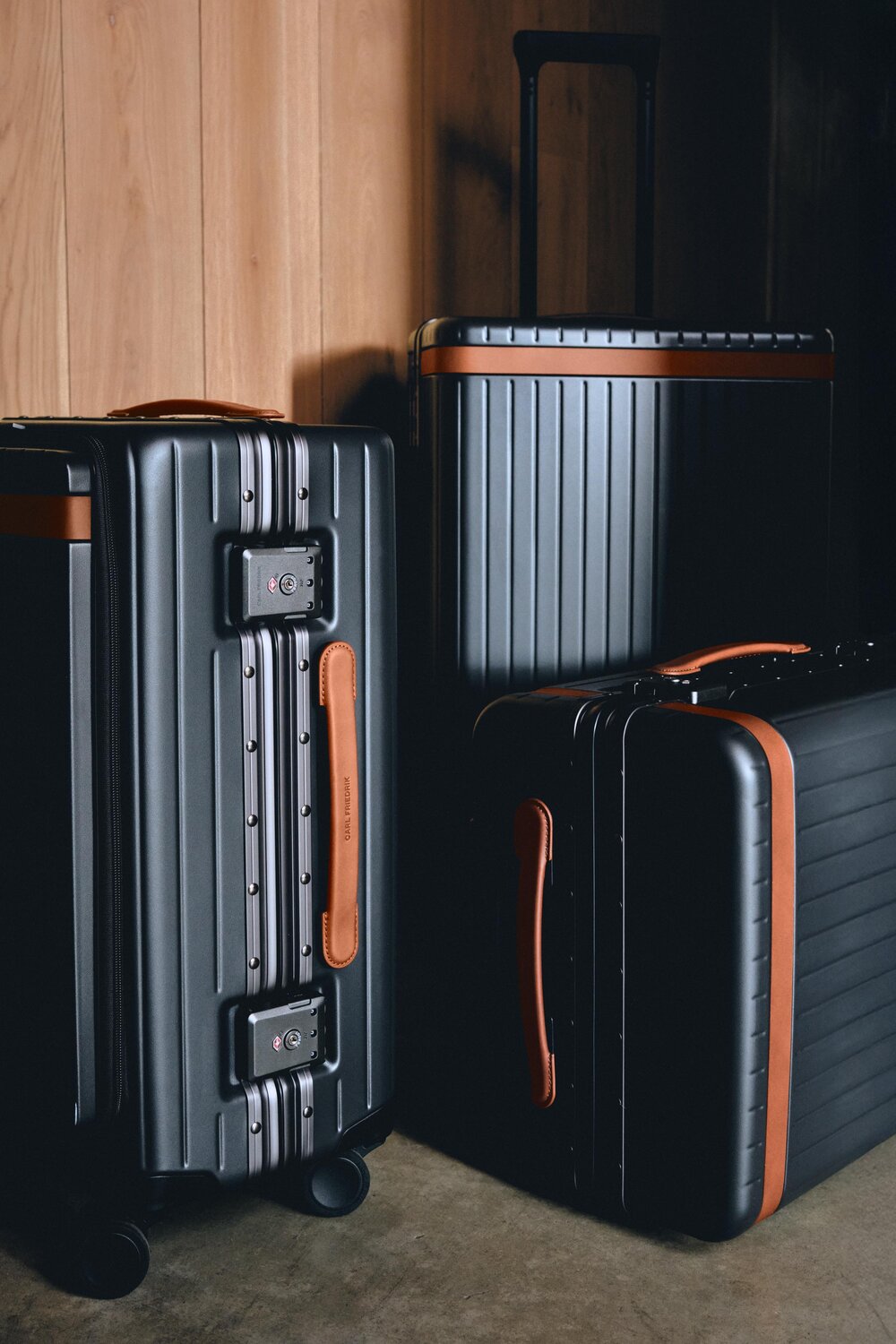
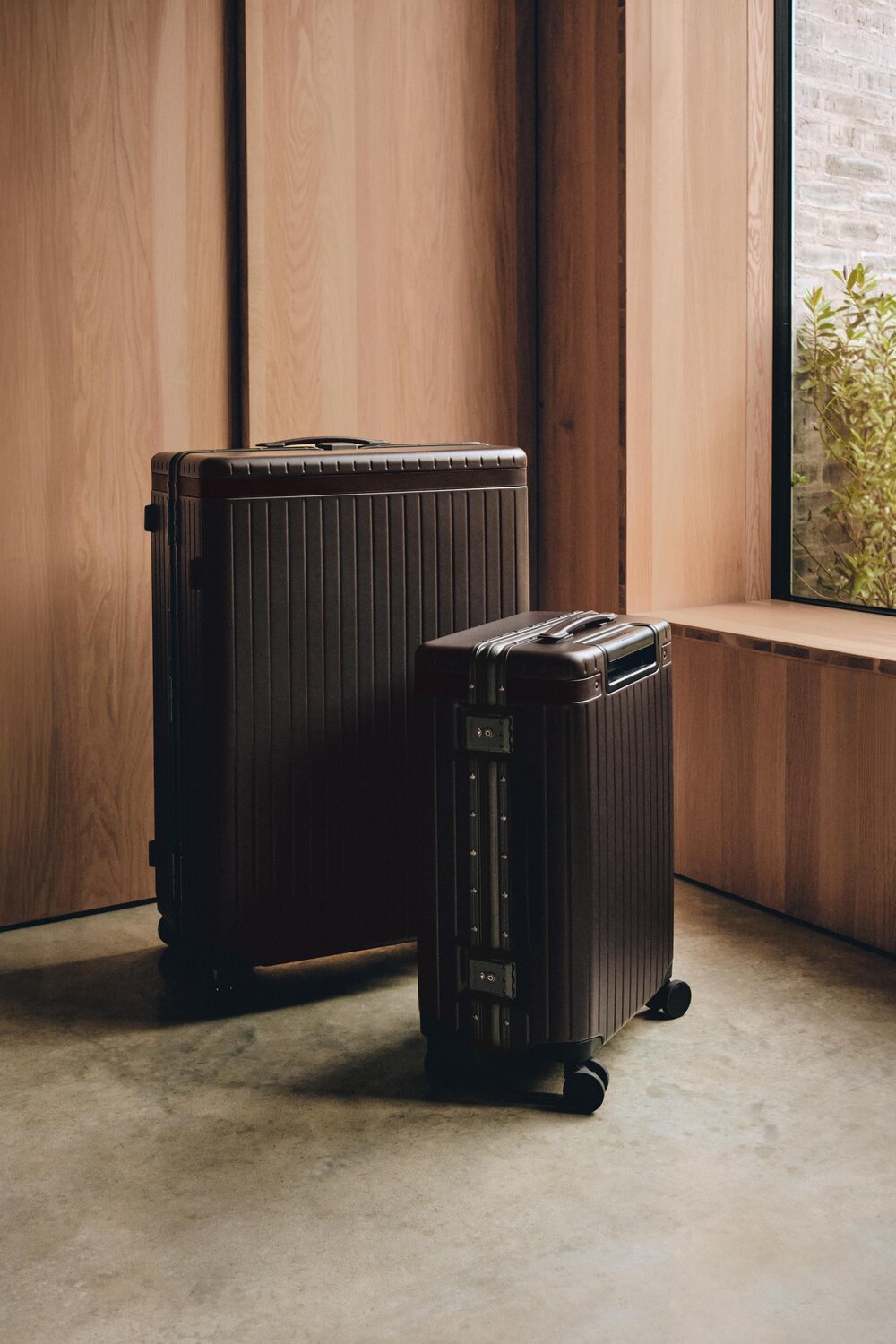
Certain brands offer hybrid luggage, combining aluminium and polycarbonate to balance the strengths of both materials. You get aluminium’s sleek finish, rigid structure and hard-wearing qualities, while keeping the overall case lighter than an entirely aluminium design. Carl Friedrik’s Hybrid collection takes this approach across several formats, including The Carry-on, The Carry-on X, The Large Carry-on, The Check-in and Trunk. For travellers who want the look and feel of aluminium without quite as much weight, a hybrid case offers a middle ground.

What features should a premium suitcase have?
A premium suitcase combines both durable materials and design, with practical features that make travel easier. Look for:
- Airline-compliant dimensions: Cabin restrictions vary between airlines and regions, so check the requirements for the airlines you use. A European carry-on size guide can help with European travel, while US travellers can consult a checked luggage size guide.
- Smooth multi-directional wheels: Quality wheels make a suitcase easier to manoeuvre across different surfaces (think train stations, cruises and airports).
- Sturdy telescopic handle: The handle should extend smoothly. The last thing you want is a handle that gets stuck when you move through security.
- Secure locks: Reliable locks provide secure closure, with TSA-approved options being particularly useful for air travel.
- Well-organised interiors: Compression systems, dividers and zipped compartments help make packing more efficient and keep your belongings secure and in place. Carl Friedrik's compression packing system helps keep clothing compact and organised, whether you're packing a carry-on for a short trip or check-in luggage for a longer journey.
- Durable construction: Look beyond the shell material to the quality of the wheels, handles, locks and other hardware.
- High-quality materials: The materials should suit your travel habits and provide the combination of weight, durability and feel you value.
- Timeless design: A premium suitcase is something you will own for years, so opt for a timeless design.
- A strong guarantee: A lifetime guarantee provides additional reassurance when investing in premium luggage.
FAQs
Is aluminium luggage worth the investment?
Aluminium luggage is worth the investment for travellers who prioritise rigid construction, long-term durability and timeless design. Its sturdy shell and distinctive finish make it particularly well suited to frequent travellers who want a case designed for years of use.
Is polycarbonate luggage worth it?
Polycarbonate luggage can be worth the investment for travellers who value lightweight construction, impact resistance and easy handling. Its lower weight can also make it a practical choice for travellers who regularly lift their luggage or want to make the most of their airline's weight allowance.
Which is lighter, aluminium or polycarbonate luggage?
Polycarbonate luggage is generally lighter than aluminium, a difference that can become particularly useful on longer journeys or with larger checked cases. A lighter suitcase is easier to manoeuvre through airports, stations and hotels, while also leaving more of your airline weight allowance available for your belongings, depending on the case and airline restrictions.
Which luggage material is superior, aluminium or polycarbonate?
Neither material is inherently superior because aluminium and polycarbonate are designed to offer different advantages. Aluminium prioritises rigidity and long-term durability, while polycarbonate offers a lighter construction with strong impact resistance. The better choice depends on which qualities best suit your travel habits and priorities.
Is aluminium luggage more expensive than polycarbonate?
Premium aluminium luggage is typically more expensive than polycarbonate luggage because of the material, construction and hardware involved. However, price is only one consideration when comparing luggage; it’s also worth considering factors such as durability, features, warranty and expected lifespan.
What is aluminium-frame (hybrid) luggage?
Aluminium-frame, or hybrid, luggage combines an aluminium frame with a polycarbonate shell. This construction is designed to bring together the structural qualities of an aluminium frame with the lightweight and impact-resistant properties of a polycarbonate shell.
